


Search
-
or select -
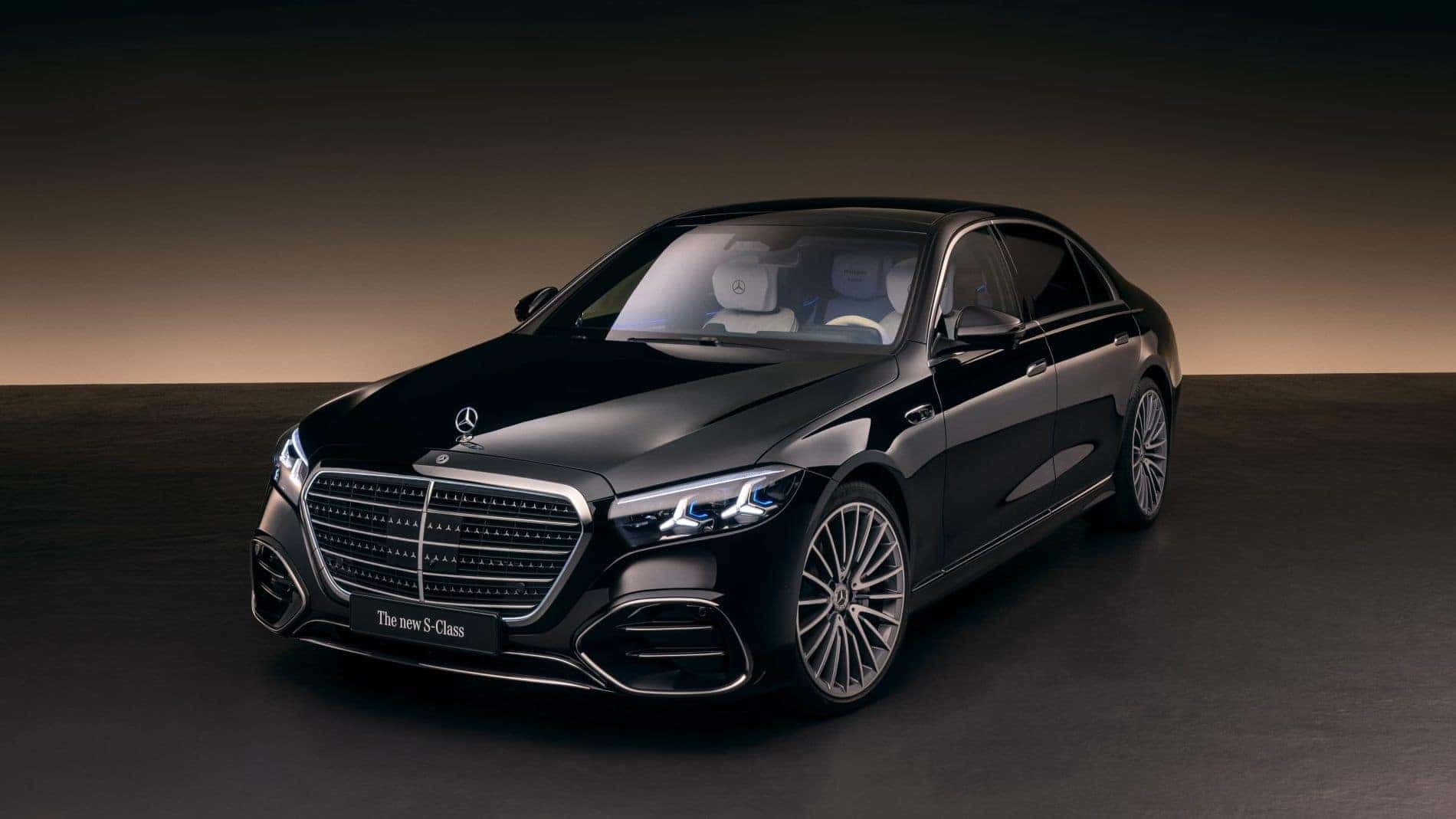
In our view, Mercedes-Benz winter tires earn their place in Richmond on cars with summer tires, or when you must drive on snow and ice. Here is what Mercedes-Benz says about tires below 45 °F, how often Richmond gets that cold, and what a second set involves.
In our view, Mercedes-Benz winter tires make sense in Richmond if your car wears summer tires, or if you must drive on snow and ice. For many other drivers, all-season tires marked M+S already meet the Mercedes-Benz cold-weather guidance.
The Mercedes-Benz rule is about temperature, not snow. The MY2024 GLC Operator’s Manual says that below 45 °F (7 °C), you should use winter tires or all-season tires marked M+S on all wheels. Some current models leave the factory on all-season tires. Mercedes-Benz lists the 2027 GLC 300 SUV on all-season tires, and the 2026 C 300 Sedan on all-season Extended Mobility tires.
So the question is not whether Richmond is cold enough. It is which tires your car wears today, and how you drive when the weather turns. The rest of this guide walks through both. If you are not sure what is on your car, our Mercedes-Benz service team can check the sidewalls at your next visit.
Mercedes-Benz warns that summer tires can tear in low temperatures, causing permanent damage. Below 45 °F (7 °C), it directs owners to M+S or winter tires.
The warning sits in the “Wheels and tires” chapter of the Operator’s Manual. Mercedes-Benz adds a separate warning for sports tires: their grip is greatly reduced at a low outside temperature and tire running temperature. The MY2024 GLC manual pairs that warning with the same 45 °F threshold. Older manuals, such as the MY2022 C-Class, use 50 °F (10 °C) for sports tires, so always check the manual for your model year.
“At temperatures below 45 °F (7 °C), use winter tires or all-season tires marked M+S for all wheels. Winter tires provide the best possible grip in wintry road conditions.”
Mercedes-Benz also explains how to recognize a winter tire. The manual says winter tires bear the snowflake symbol and meet the industry traction-on-snow requirements. The newest manual we could review for this guide is MY2024. Your own Operator’s Manual governs for your car.

NOAA normals put the average temperature for December, January and February below 45 °F at Richmond International Airport. November and March average just above it.
NOAA publishes 30-year climate normals for Richmond International Airport. They show a January mean temperature of 38.3 °F and a normal January low of 28.8 °F. Freezing nights are common, with about 73.5 days a year that have a low at or below 32 °F. Snow is less regular: the normal is 8.8 inches a year, and single winters vary widely.
| Month | Mean temperature | Normal low | Days with a low at or below 32 °F | Normal snowfall |
|---|---|---|---|---|
| November | 49.6 °F | 38.8 °F | 7.8 | 0.0 in |
| December | 41.8 °F | 32.1 °F | 17.3 | 1.8 in |
| January | 38.3 °F | 28.8 °F | 20.3 | 3.7 in |
| February | 41.0 °F | 30.4 °F | 17.3 | 2.2 in |
| March | 48.4 °F | 37.2 °F | 9.5 | 1.1 in |
Source: NOAA NCEI U.S. Climate Normals 1991-2020, station Richmond Intl AP (USW00013740), reviewed 10/14/2026. Normals are 30-year averages, not forecasts. Comparing them with the Mercedes-Benz 45 °F guidance is our illustration, not a Mercedes-Benz statement.
Read that table as a season, not a day. In our view, plan for the season, not the warmest afternoon. For a Richmond car on summer tires, the colder months cover a large part of the year. Drivers who live and work around Richmond can see the store details on our Mercedes-Benz dealer in Richmond page.
Owners of cars on summer or sports tires gain the most, followed by drivers who cannot stay home on snow and ice days. In our view, all-season cars driven only on clear roads gain the least.
This is our advice, built from the Mercedes-Benz wording and the NOAA normals above. Your own driving decides it.
Not sure which group you are in? Ask at the service desk, or call our team at 804-607-7517. We can read the tire markings with you and walk through how you use the car in winter.
M+S all-season tires meet the Mercedes-Benz temperature guidance. For snow traction, look for the three-peak mountain snowflake symbol. The two markings answer different questions.
M+S is the marking Mercedes-Benz names for all-season tires below 45 °F. The snowflake symbol tells you the tire passed a severe-snow traction test. The U.S. Tire Manufacturers Association defines that test, and says the mountain must show three peaks with the middle one tallest.
| Tire type | Mercedes-Benz guidance below 45 °F | Snow and ice |
|---|---|---|
| Summer or sports tires | Not for these temperatures. Mercedes-Benz warns of tears, permanent damage and greatly reduced grip, and directs owners to M+S tires | Mercedes-Benz says to use M+S tires below 45 °F (7 °C) |
| All-season tires marked M+S | Meet the guidance when fitted on all wheels | On the 2027 GLC 300, Mercedes-Benz says its standard all-season tires are not designed for snow and ice |
| Winter tires (snowflake symbol) | Meet the guidance. Mercedes-Benz says winter tires provide the best possible grip in wintry road conditions | USTMA: the three-peak symbol marks tires that pass its severe-snow traction test |
Sources: MY2024 GLC Operator’s Manual, “Wheels and tires”; mbusa.com 2027 GLC 300 SUV model page; USTMA Tire Information Service Bulletin 37/6. Reviewed 10/14/2026.

Yes. Below 45 °F (7 °C), Mercedes-Benz calls for winter or M+S tires on all wheels, of the same type and make. 4MATIC does not change that.
Mercedes-Benz asks owners to use tires and wheels of the same type and the same make on every wheel. For M+S tires, the tread pattern must match too. Wheels on one axle must also be the same size. Mixing two winter tires with two summer tires breaks the same-type rule.
All-wheel drive does not replace grip. Mercedes-Benz describes 4MATIC as only an aid, and says it cannot take account of road, weather and traffic conditions. In wintry driving conditions, it says the maximum effect of 4MATIC can only be achieved with winter tires (M+S tires).
Swap all four as the cold season sets in, restart the tire pressure monitor, and swap back in spring. Each step below comes from the Mercedes-Benz manual unless we say otherwise.
You can book the swap with a regular visit. Our Express Service page lists tire rotation among its services, and you can schedule service online.

Cold also drops tire pressure. NHTSA notes that inflation pressure falls as the outside temperature drops, and the TPMS symbol may come on briefly on cold mornings. Mercedes-Benz reminds owners that the system is only an aid, and setting the correct cold pressure is the driver’s job.
Ready to plan your winter tire swap?
Virginia allows chains when needed for safety and studded tires from October 15 to April 15. Mercedes-Benz adds its own limits for chains.
Section 46.2-1044 of the Code of Virginia permits tire chains of reasonable proportions when required for safety. That covers snow, ice, or other conditions tending to cause a vehicle to slide or skid. It allows studded tires on vehicles up to 10,000 pounds, within limits on stud height and coverage, only from October 15 to April 15. We found no Mercedes-Benz guidance approving studded tires, so ask before you buy them.
Mercedes-Benz lists these rules under the warning “Risk of accident due to incorrectly installed snow chains” in the MY2024 GLC Operator’s Manual.
Use only chains approved for your vehicle by Mercedes-Benz, or chains of the same quality standard, and follow the chain maker’s instructions. Our Genuine Mercedes-Benz parts department can help you find approved items.
The cost depends on wheel and tire size, tires alone or a full wheel set, and the sensors and swaps each season needs. We do not quote prices in this guide.
These are the items that move the total, so you can compare quotes on equal terms.
Warranty matters too. The MY2026 Mercedes-Benz warranty booklet covers the tires supplied on your vehicle against defects in material or workmanship. Coverage runs 12 months and/or 12,000 miles from date of delivery or when the vehicle was put in service. Damage from tire chains, high speed spinning (when stuck in ice, mud or snow) and road hazards is not covered, and neither is tread wear.
Our parts tire center says Mercedes-Benz of Richmond offers tires from all major tire brands approved for your Mercedes-Benz. See our tire center, the cold weather wheel and tire assemblies page and our service offers page. For a quote, contact our parts department.
Short answers to the questions Richmond drivers ask about cold-weather tires.
Questions about tires for your Mercedes-Benz? Call our service team at 804-607-7517.
Mercedes-Benz uses 45 °F (7 °C) in the MY2024 GLC Operator’s Manual. Below that, it says to fit winter tires or all-season tires marked M+S on all wheels. In Richmond, NOAA normals put the monthly average below 45 °F from December through February. Our advice is to plan the swap in late fall.
Not below 45 °F (7 °C). The MY2024 GLC Operator’s Manual says: "At temperatures below 45 °F (7 °C) use M+S tires." It warns that summer tires can tear at low ambient temperatures, causing permanent damage. For sports tires, it adds that grip is greatly reduced in the cold. If your car wears summer tires, our advice is a winter set.
It can. NHTSA explains that tire inflation pressure drops as the outside temperature falls, and the TPMS symbol may light briefly on cold mornings. Mercedes-Benz notes the monitoring system is only an aid. It is the driver’s job to set the recommended cold tire pressure suitable for the operating situation.
Mercedes-Benz sets two limits. Replace tires after six years at the latest, whatever the tread looks like. Its minimum tread depth for winter tires is 4 mm, higher than the 3 mm it lists for summer tires. NHTSA’s separate rule of thumb is to replace any tire worn to 2/32 of an inch.
The Mercedes-Benz tire warranty in the MY2026 booklet covers the tires supplied on your vehicle for 12 months and/or 12,000 miles. It does not cover a second set bought later. For the factory tires, the booklet says the tire manufacturer’s warranty coverage may extend beyond the Mercedes-Benz coverage. Ask about the tire maker’s terms when you buy a second set.
No. Mercedes-Benz recommends Genuine Mercedes-Benz parts and asks that tires be changed at a qualified specialist workshop. The FTC says you do not have to use the dealer for maintenance to keep your warranty in effect. The exception: if the warranty promises free service or parts, the dealer or manufacturer can make you use repair facilities it chooses. Ask our parts team for a quote.
Some winter tires carry a lower speed rating than the car can reach. In that case, Mercedes-Benz says a label showing the tire’s maximum speed must sit in the driver’s field of vision. Your tire sidewall shows the rating. In the Mercedes-Benz table, for example, a Q-rated M+S tire is limited to 100 mph.
Some models do. The MY2024 GLC Operator’s Manual includes a section on turning snow chain mode on or off. Check the Operator’s Manual for your own model before a trip. The chain rules stay the same: rear wheels only, in pairs, approved wheel and tire combinations only, and no faster than 30 mph.
Our cold weather assemblies page invites owners to call or stop by. Our team can then help find the Mercedes-Benz Cold Weather Wheel and Tire Assembly for their car. Fitment depends on the model and its wheel size, so bring your VIN or ask our parts team to check before you order.
Our advice is to swap back in spring. Mercedes-Benz sets a six-year age limit for any tire, so months of summer use spend tire life you would rather keep for winter. Book the spring swap once the cold season ends and temperatures stay above 45 °F.


Mercedes-Benz of Richmond is at 8225 West Broad Street. Our service and parts teams can check your current tires, confirm fitment for a winter set, and book the seasonal swap. Mercedes-Benz of Richmond is a member of the Murgado Automotive Group.
Book a visit to check your tires against the Mercedes-Benz 45 °F guidance and plan a winter set if it fits how you drive.
Service: 804-607-7517
Sources reviewed 10/14/2026. Mercedes-Benz: MY2024 GLC Operator’s Manual (“Wheels and tires” and 4MATIC sections), MY2022 C-Class and MY2022 GLC Operator’s Manuals, and the MY2026 Passenger Car Service and Warranty Information booklet. Mercedes-Benz USA: model pages for the 2027 GLC 300 SUV and 2026 C 300 Sedan, and the Winter Wheel and Tire Packages page. Climate: NOAA NCEI U.S. Climate Normals 1991-2020 for Richmond International Airport. Law and industry: Code of Virginia section 46.2-1044 and USTMA Tire Information Service Bulletin 37/6. Federal: NHTSA Tires and Winter Driving Tips pages, and the FTC page on auto warranties and auto service contracts. Your vehicle’s Operator’s Manual and warranty booklet govern. Guidance can differ by model and model year. Climate normals are long-term averages, not forecasts. The advice to buy a second set is ours, not a Mercedes-Benz requirement. No endorsement by NOAA, NHTSA, the FTC or USTMA is implied. Mercedes-Benz, 4MATIC, MOExtended, TIREFIT and Active Parking Assist are trademarks of Mercedes-Benz Group AG.